- posted: Dec. 03, 2025
Phototherapy is a trusted dermatology treatment that uses controlled light exposure to improve chronic skin conditions. For many patients, it offers relief when creams or medications have not provided enough improvement. At Kaiser Dermatology in Stuart, FL, Dr. Mark R. Kaiser provides phototherapy sessions designed to reduce symptoms, calm inflammation, and support long-term skin health.
How Phototherapy Helps the Skin
Skin issues such as psoriasis, eczema, or vitiligo often improve with focused light treatment because it reaches deeper layers where inflammation starts. This type of therapy slows fast skin cell turnover seen in chronic conditions while calming immune responses. With steady use, many people notice fewer flare-ups, smoother texture, and less itching or irritation. Light-based care is a low-risk option customized to your skin tone and specific symptoms.
What to Expect During a Session
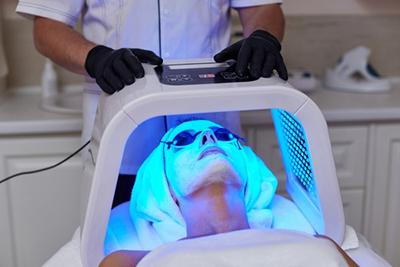
A phototherapy session is simple and relaxed. When you arrive at Kaiser Dermatology, the staff guides you into a room with the light device. Instead of always using a full-body booth, sometimes only the problem area is treated, depending on what you need. Protective goggles keep your eyes safe the entire time. The doctor selects the exact settings using past reactions, previous treatments, and your overall health history.
How the Treatment Feels
The light portion lasts only a short moment. Many patients describe it as warm, similar to soft sunlight, without burning or discomfort. Once it’s finished, you can continue your day with no downtime. Over multiple visits, treatment times increase gradually, improving results while keeping your skin protected.
How Many Treatments Are Needed
Phototherapy works best as a series of treatments rather than a single session. Most patients are scheduled two or three times a week during the initial phase. As symptoms improve, session frequency usually decreases. Consistency plays a major role in achieving long-term relief, and Dr. Kaiser monitors progress to adjust the treatment plan as needed.
Aftercare and At-Home Support
Your skin may feel warm or slightly sensitive following treatment, especially in the early sessions. Gentle moisturizing and avoiding harsh products help maintain comfort. Sun protection is also important because your skin may be more reactive to natural sunlight after phototherapy. The care team guides you to help you maintain improvements between visits and prevent flare-ups.
Schedule Phototherapy in Stuart, FL
Living with chronic skin conditions can be frustrating, but phototherapy offers a proven path toward relief. If you want to explore whether this treatment can help you manage symptoms more effectively, call Kaiser Dermatology in Stuart, FL, at (772) 286-7081 to schedule your appointment. Dr. Mark R. Kaiser provides comprehensive evaluations and personalized phototherapy plans that support healthier, more comfortable skin.
- posted: Dec. 03, 2025
Phototherapy is a trusted dermatology treatment that uses controlled light exposure to improve chronic skin conditions. For many patients, it offers relief when creams or medications have not provided enough improvement. At Kaiser Dermatology in Stuart, FL, Dr. Mark R. Kaiser provides phototherapy sessions designed to reduce symptoms, calm inflammation, and support long-term skin health.
How Phototherapy Helps the Skin
Skin issues such as psoriasis, eczema, or vitiligo often improve with focused light treatment because it reaches deeper layers where inflammation starts. This type of therapy slows fast skin cell turnover seen in chronic conditions while calming immune responses. With steady use, many people notice fewer flare-ups, smoother texture, and less itching or irritation. Light-based care is a low-risk option customized to your skin tone and specific symptoms.
What to Expect During a Session
A phototherapy session is simple and relaxed. When you arrive at Kaiser Dermatology, the staff guides you into a room with the light device. Instead of always using a full-body booth, sometimes only the problem area is treated, depending on what you need. Protective goggles keep your eyes safe the entire time. The doctor selects the exact settings using past reactions, previous treatments, and your overall health history.
How the Treatment Feels
The light portion lasts only a short moment. Many patients describe it as warm, similar to soft sunlight, without burning or discomfort. Once it’s finished, you can continue your day with no downtime. Over multiple visits, treatment times increase gradually, improving results while keeping your skin protected.
How Many Treatments Are Needed
Phototherapy works best as a series of treatments rather than a single session. Most patients are scheduled two or three times a week during the initial phase. As symptoms improve, session frequency usually decreases. Consistency plays a major role in achieving long-term relief, and Dr. Kaiser monitors progress to adjust the treatment plan as needed.
Aftercare and At-Home Support
Your skin may feel warm or slightly sensitive following treatment, especially in the early sessions. Gentle moisturizing and avoiding harsh products help maintain comfort. Sun protection is also important because your skin may be more reactive to natural sunlight after phototherapy. The care team guides you to help you maintain improvements between visits and prevent flare-ups.
Schedule Phototherapy in Stuart, FL
Living with chronic skin conditions can be frustrating, but phototherapy offers a proven path toward relief. If you want to explore whether this treatment can help you manage symptoms more effectively, call Kaiser Dermatology in Stuart, FL, at (772) 286-7081 to schedule your appointment. Dr. Mark R. Kaiser provides comprehensive evaluations and personalized phototherapy plans that support healthier, more comfortable skin.
This website includes materials that are protected by copyright, or other proprietary rights. Transmission or reproduction of protected items beyond that allowed by fair use, as defined in the copyright laws, requires the written permission of the copyright owners.